
Amsterdam cocktail bars: Dutch scene buying guide
Amsterdam cocktail bars are easier to shortlist when you know the confirmed booking rules and price context before planning a trade visit.
By Elena MarchettiEditor in ChiefFifteen years covering international bar culture and jury panels.
Amsterdam cocktail bars need to be evaluated with the same discipline as any other trade venue. We look first at confirmed address data, booking rules, opening hours, group capacity, price context, and the reason a buyer would put the bar on an itinerary.
For the Dutch mixing scene, our current Amsterdam directory evidence is centred on Super Lyan. That means this guide is deliberately practical: how to read the listing, how to specify a visit, and how to compare the venue against other European cocktail rooms without relying on stale hearsay.
What should a buyer verify before shortlisting Amsterdam cocktail bars?
A buyer should verify the venue’s address, opening days, reservation policy, price level, and group capacity before adding it to a trade route. We do not treat a bar as suitable for a commercial visit until those five fields are clear.
Start with geography. Amsterdam itineraries often fail when a team builds a route from reputation alone, then discovers that the venue timing does not match the day’s meetings. For our directory work, the first filter is city and country, so buyers can begin with Amsterdam bars or widen to Netherlands bars if they are mapping a wider Dutch programme.
The second filter is operating pattern. A bar that opens at 5pm suits post-meeting buyer hosting. A venue closed on the required weekday does not, however strong its drinks programme may be. Opening hours should be checked again close to the visit date, especially around public holidays, private hires, and seasonal changes.
The third filter is booking control. Walk-in access is useful for one or two buyers, but it is not a procurement plan for a delegation. If the visit includes brand owners, importers, distributors, or senior buyers, we prefer a confirmed booking path, a named contact route, and a fallback venue nearby.
Price context comes next. We avoid publishing live market-style prices for goods that move daily, but cocktail menu prices are useful as a planning band when they come from the venue profile. They tell a buyer whether the bar is suited to informal scouting, hosted client drinks, or a paid team session.
If you want us to review a shortlist against your group size and visit objective, send the date, headcount, and preferred neighbourhood through our contact page.
Which Amsterdam cocktail bar is profiled in the Dutch directory?
The Amsterdam cocktail bar currently profiled in our Dutch directory is Super Lyan. It is the confirmed venue we can discuss from our own listing data.
Here is the full specification set we hold for the venue: Super Lyan, Nieuwezijds Voorburgwal 3, 1012 RC Amsterdam, Netherlands; phone +31 20 620 0500; open Wednesday to Sunday, 5pm to midnight; walk-ins welcome; groups of 8 or more should book in advance; price about €17 per cocktail and €11 for boozeless drinks; No.42 on Europe’s 50 Best Bars 2026; Best Bar in the Netherlands 2026; opened April 2019; owner Ryan Chetiyawardana, known as Mr Lyan; Living Room capacity up to 35; full venue hire up to 120.
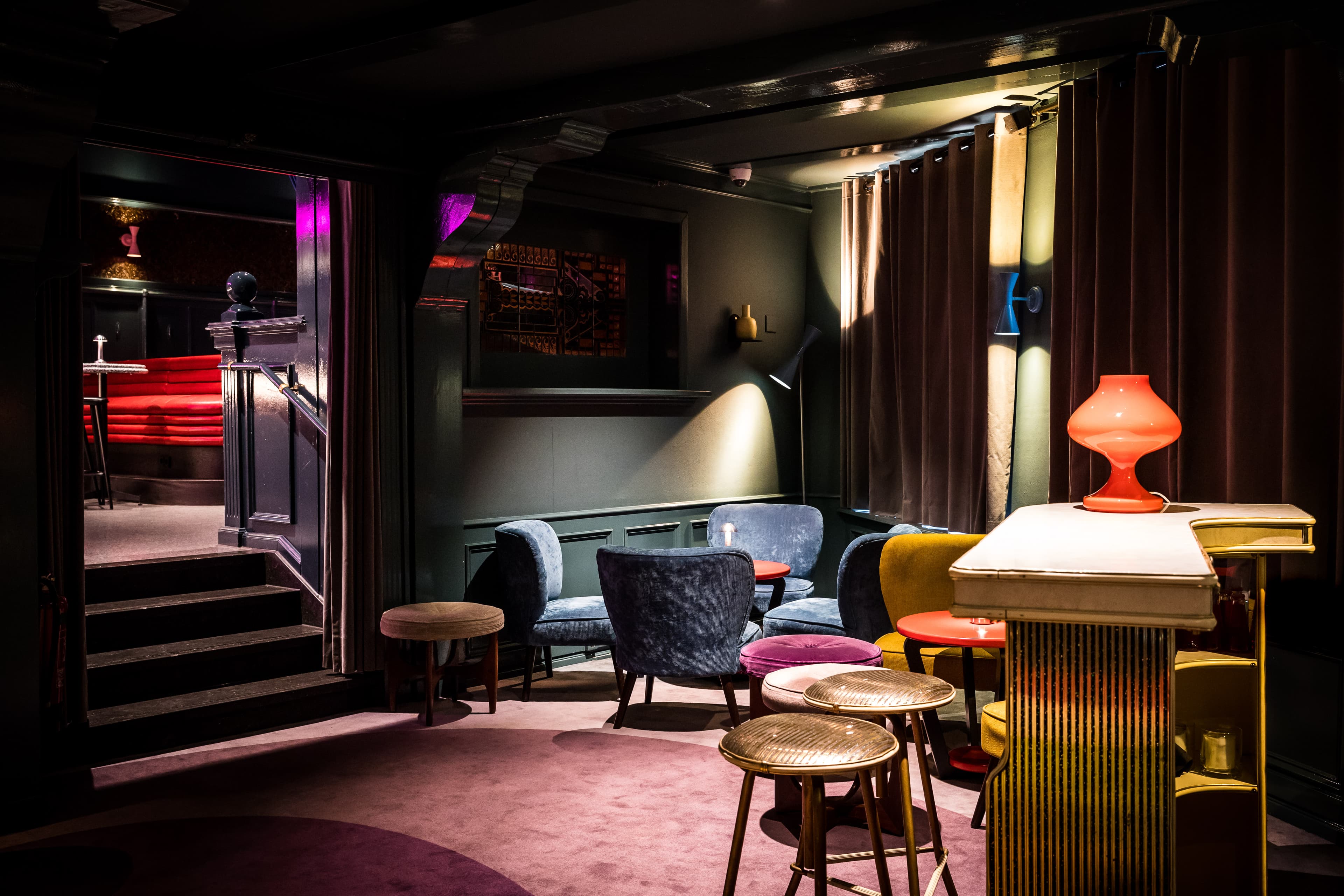
Featured bar
Super Lyan
Super Lyan is a sustainable cocktail bar bar in Amsterdam. Top 50 Bars Asia profiles address, hours, and how to visit.
View profileThat data makes the venue useful for three different buyer cases.
For a small scouting visit, the walk-in policy gives flexibility. A buyer can arrive without turning the evening into a formal hosted event, provided the timing works and the group is small.
For a delegation, the group threshold matters. Once the party reaches 8 or more, advance booking is the safer route. That is not a minor detail. It changes how a procurement manager should brief travel, diary control, and guest communication.
For an event-style requirement, the capacity numbers are the decision point. A Living Room cap of 35 fits a focused tasting, buyer reception, or brand education session. Full venue hire up to 120 moves the venue into larger trade hosting territory, but the buyer still needs to confirm availability, format, minimum spend if any, and service structure directly with the venue.
How should Amsterdam cocktail bars be specified for a trade visit?
Specify Amsterdam cocktail bars by visit purpose, headcount, service format, timing, drinks requirements, and budget band. A vague request such as “good cocktail bar in Amsterdam” is not enough for a buyer-grade shortlist.
We normally write the visit brief in plain operational terms. For example: two import buyers, Wednesday evening, post-meeting drinks, no formal presentation, alcohol-free options required, central Amsterdam preferred. That brief leads to a different recommendation than: 30 guests, private trade reception, brand team present, welcome drink on arrival, short talk, controlled spend.
Headcount should be fixed early. It affects booking rules, room choice, staffing expectations, and how visible the group will be inside the venue. In the Super Lyan case, the practical break is clear: casual access for smaller parties, advance booking for 8 or more, and defined capacities for the Living Room or full hire.
Service format is the second specification. A seated tasting needs different timing from a stand-up reception. A hosted buyer drink after dinner can work with a shorter dwell time. A brand education session needs quieter space, a start time that staff can support, and an agreed run sheet.
Drink requirements should be stated before booking. The Super Lyan profile gives both cocktail and boozeless price references, which helps when the guest list includes non-drinkers or buyers who are limiting alcohol during a trade week. Do not leave that question until arrival if the event has invited guests.
Benchmarking buyers can also compare style fit across our broader cocktail bars directory. Use that category to separate classic hotel service, high-energy rooms, neighbourhood bars, and concept-led cocktail venues before committing time in-market.
What is the price context for Amsterdam cocktail bars?
For the profiled Amsterdam venue, the useful planning figures are about €17 per cocktail and €11 for boozeless drinks. The final spend depends on headcount, number of rounds, booking format, private space requirements, day of week, and any agreed event terms.
We would not build a buyer budget from a single drink price alone. A two-person scouting visit can be estimated from menu pricing, but a 35-person reception cannot. Once a room is reserved, the cost may be shaped by venue hire, minimum spend, staffing, welcome drinks, service charge, or a pre-agreed drinks list. Those fields are not in our product facts for Super Lyan, so they must be confirmed before order or booking.
For procurement teams, the cleanest internal budget is a per-guest allowance. Set the number of drinks per guest, include a non-alcoholic option, then add a contingency for overruns. If the visit has commercial guests, decide in advance who can approve extra rounds on the night.
Price should also be read against purpose. A buyer scouting visit needs access and observation. A client-facing event needs flow, privacy, and service reliability. A brand training session needs enough control over the space to make the content land. The same bar can suit all three cases, but not under the same booking structure.
If you are comparing Amsterdam with another city, keep the price fields consistent. Do not compare a walk-in cocktail price in Amsterdam with a private-room quote in London or Barcelona. Match like with like: walk-in to walk-in, private hire to private hire, tasting menu to tasting menu.
How is a Dutch cocktail bar visit confirmed and ordered?
A Dutch cocktail bar visit should be confirmed by matching the venue’s booking rule to the group size, then recording the date, time, headcount, format, and cancellation terms. For Super Lyan, the key booking rule is simple: walk-ins are welcome, but groups of 8 or more should book in advance.
For a small visit, the order process is light. Check the opening day, arrive within service hours, and keep the group flexible. We still recommend noting a backup venue if the visit is tied to a buyer meeting and cannot slip to another evening.
For 8 or more guests, treat it as a formal booking. Confirm the party size, expected arrival time, any accessibility needs, and whether the group will be seated or standing. If the event is linked to a supplier meeting, agree who is hosting and who is paying before guests arrive.
For a larger reception, ask the venue to confirm which space is being held. In the Super Lyan profile, the Living Room is listed up to 35 and full venue hire up to 120. Those numbers help with initial fit, but they are not a substitute for a written confirmation from the venue for the exact date.
Keep the booking record in one place. We like a single note with venue name, address, phone number, reservation contact, confirmed time, guest count, agreed spend basis, and any dietary or alcohol-free requirements. That reduces mistakes when a procurement team, brand owner, and local host are all involved.
How should Amsterdam be compared with the wider European cocktail circuit?
Amsterdam should be compared by confirmed venue data, not by city reputation alone. For our current Dutch coverage, Super Lyan gives buyers one verified Amsterdam reference point against the wider European directory.
A buyer building a northern European route may compare Amsterdam with London, Copenhagen, Stockholm, or Oslo. A buyer studying high-volume tourist markets may compare it with Barcelona, Paris, Rome, or Milan. The right comparison depends on the reason for travel.
Use the same fields across cities: opening hours, booking rules, average drink price where listed, capacity, award reference, and style. For example, a walk-in focused bar is easier for informal scouting, while a reservation-led venue may be better for controlled hosting. A hotel bar may suit senior client entertainment, while a neighbourhood room may give a clearer read on local drinking patterns.
Our Bars directory lets buyers move from one city to another without changing the evaluation frame. That matters when a team is planning several markets in one trip and needs comparable information rather than isolated recommendations.
For Amsterdam specifically, the decision is clear. If the aim is to understand one recognised Dutch cocktail venue with confirmed directory data, start with Super Lyan, check the date and group size, then decide whether the visit is a walk-in scout, an advance booking, or a private event enquiry.