
Best Bars in Berlin for Serious Cocktails
Best bars in Berlin for serious cocktails starts with Wax On, with rank, price, hours, and walk-in planning checks for buyers.
By Elena MarchettiEditor in ChiefFifteen years covering international bar culture and jury panels.
Berlin is not a city where a serious cocktail visit should be treated as a late add-on. If we are building a buying trip, a bartender training itinerary, or a drinks market scan, we start with bars that have clear recognition, usable logistics, and a cocktail programme worth observing closely.
In our current Berlin bars coverage, the clear first stop is Wax On in Neukölln. This guide sets out how we would evaluate it, plan the visit, compare the price context, and turn one night at the bar into useful trade intelligence rather than a loose night out.
Which Berlin bar should a serious cocktail buyer put first?
Put Wax On first. In our current Berlin directory, it is the listed Berlin cocktail lab with the strongest published awards signal and the most useful visit data for a professional cocktail assessment.
Wax On is at Weserstr. 208, 12047 Berlin, Germany, in Neukölln (Reuterkiez). The bar can be contacted by email at bar@waxonwaxoff.berlin. Published hours are Tuesday to Saturday 19:00 to 01:00, Sunday 19:00 to 00:00, and closed Monday. It is walk-in only, with no reservations. Cocktails start from €11, natural wines are around €8, and tap beer is around €4.50. Sam Orrock founded the bar, which opened in 2021. Europe’s 50 Best Bars 2026 ranks Wax On No. 17, and the same awards cycle names it Best Bar in Germany 2026.
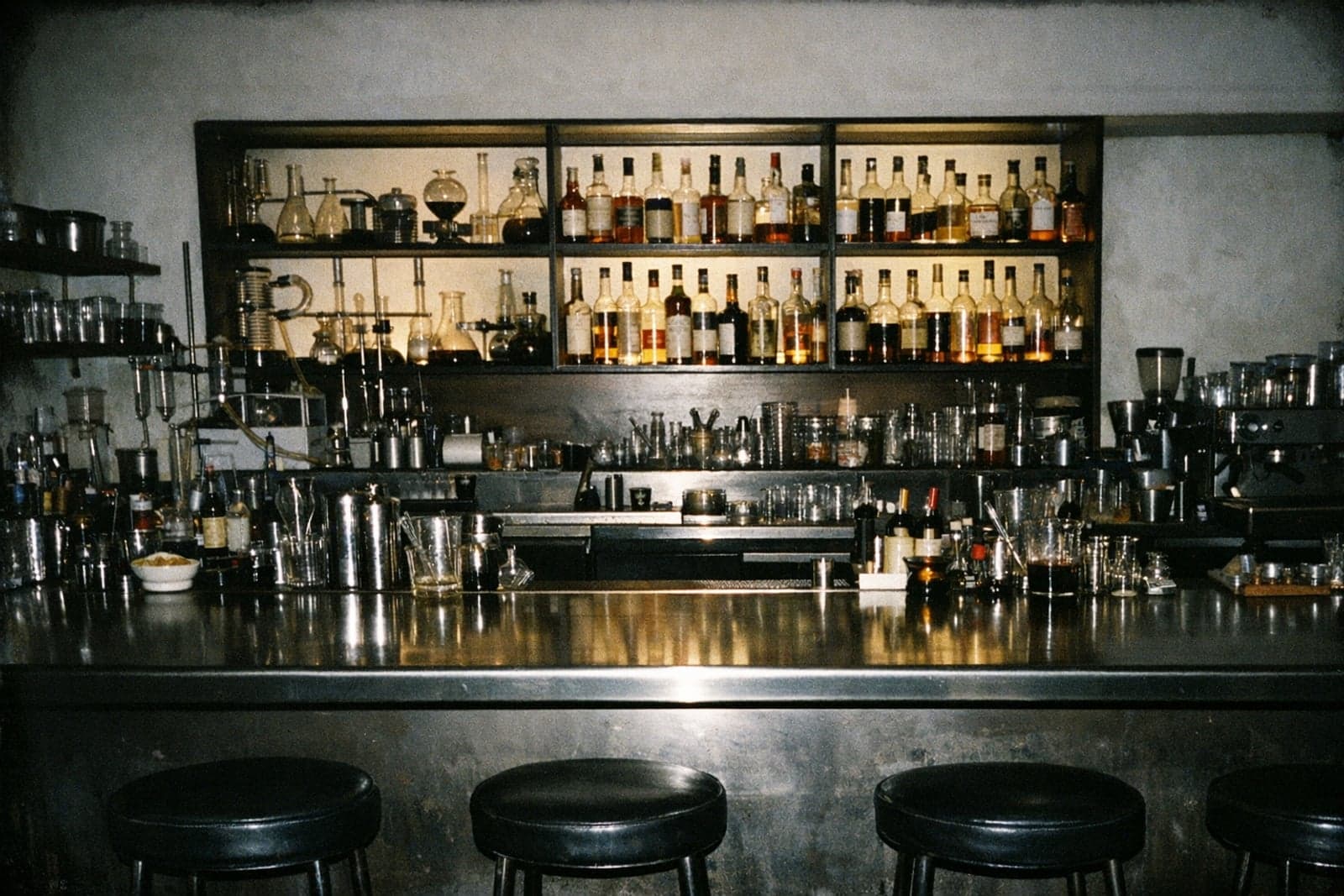
Featured bar
Wax On
Wax On is a cocktail lab bar in Berlin, Neukölln (Reuterkiez). No.17 on our 2026 Europe ranking. Top 50 Bars Asia profiles address, hours, and how to visit.
View profileThat is the full operating frame we would use before sending a buyer, brand owner, or bar team member into the venue. The ranking gives a third-party filter. The walk-in policy changes the plan. The price floor helps set the per-person tasting budget before the trip.
For a buyer, “best” should not mean the most photographed room or the longest menu. We would define it as the bar most likely to show useful decisions in drink construction, service flow, guest positioning, and pricing. Wax On is the practical starting point because the available facts line up: cocktail-led identity, award recognition, known neighbourhood, known opening pattern, and an entry price for cocktails.
If you need the live profile before sending staff, keep the Wax On listing open while you build the itinerary.
How should a buyer evaluate a Berlin cocktail bar before visiting?
Evaluate the bar against the job you need it to do. For a serious cocktail trip, we would check recognition, booking mechanics, price level, neighbourhood fit, and the type of evidence the visitor must bring back.
Start with recognition because it is a quick filter. Europe’s 50 Best Bars 2026 places Wax On at No. 17, which makes it a defensible Berlin benchmark for a buyer comparing bars across European cities. The Germany award in the same cycle gives it a country-level signal, not only a city-level signal.
Then check whether the format fits the research task. A walk-in-only bar is useful for observing normal guest flow, but it is less predictable for a timed delegation. If we are sending one or two buyers, that can work. If we are placing a larger group into a tight evening schedule, we would not treat a walk-in venue as a guaranteed meeting slot.
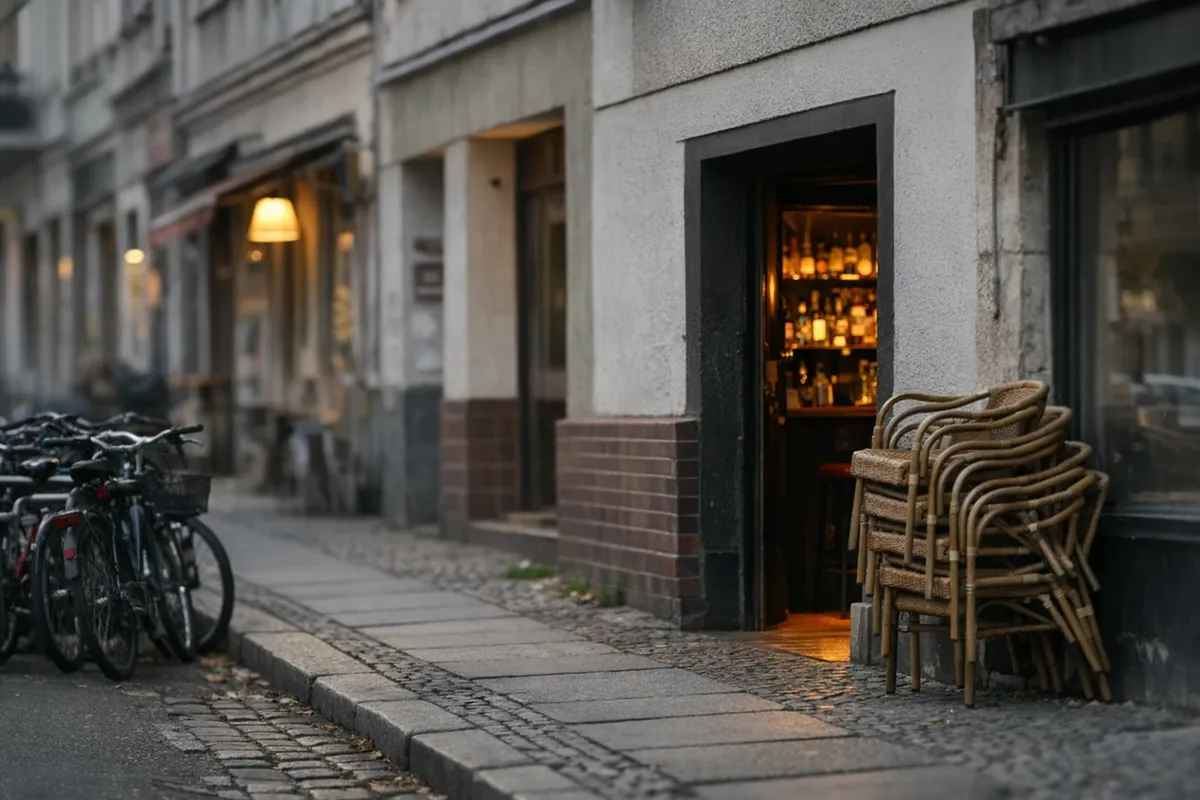
Neighbourhood matters for procurement travel because time between appointments has a cost. Wax On sits in Neukölln’s Reuterkiez, not in a hotel lobby or a central railway station bar. That can be positive if the brief is to understand independent cocktail demand, but it needs to be built into transport planning.
We also separate “cocktail interest” from “full beverage interest”. Wax On’s published price notes include cocktails, natural wine, and tap beer. That matters for buyers who are not only looking at spirits. A distributor or importer can observe how a cocktail-led room still makes space for lower-ticket drinks without changing the main identity of the venue.
What is the ordering process for a walk-in only bar?
There is no booking order to place for Wax On because it is walk-in only. The correct process is to specify the visit window, arrival sequence, party size, and fallback plan before the buyer leaves the hotel.
We would write the visit brief in plain operational terms. State the target day. State the opening time. State who is attending. State the maximum spend per person. State what must be recorded: menu structure, first drink ordered, second drink ordered, non-cocktail options, service notes, and any supplier-visible cues such as glassware, garnish handling, or back-bar emphasis.
Because the bar opens at 19:00 on its published operating days, we would avoid vague instructions such as “go after dinner”. That creates unnecessary risk. A better instruction is: arrive close to opening if the evening has a second appointment, or place Wax On as the final stop if there is no fixed end time. The facts do not give a queue time, so we do not build a plan around an assumed wait.
The walk-in policy also changes how we handle hospitality. Do not promise a buyer, customer, or visiting brand principal a confirmed table when the venue does not offer reservations. If the purpose is hosted trade entertainment, use Wax On as a cocktail stop rather than a formal hosted meeting.
If you want us to check which listed bars fit a fixed European itinerary, send the cities and dates through our contact page.
What price context matters for Berlin cocktail benchmarking?
Use the published starting point of €11 per cocktail at Wax On as the budget base, not as a final average bill. A serious buyer should budget for multiple serves, non-cocktail drinks if relevant, and enough flexibility to order from the bar’s current list rather than forcing a narrow cost exercise.
For benchmarking, we would separate four items.
First, the cocktail entry price. Wax On’s cocktails start from €11, which helps a buyer compare Berlin against other profiled cities without relying on stale daily pricing.
Second, adjacent categories. Natural wines are listed around €8 and tap beer around €4.50. This tells us the room is not only priced for full-strength mixed drinks, which can influence how guests trade up or down during a visit.
Third, the cost of evidence. If the brief is to assess cocktail quality and menu positioning, one drink is rarely enough. We would normally specify at least two cocktails per evaluator, but the exact number depends on the buyer’s internal policy and the time available.
Fourth, the travel cost around the venue. Reuterkiez may be exactly the right area for an independent cocktail scan, but the buyer should not compare only drink prices if transport time is tight. A cheaper drink can still be an expensive appointment if it breaks the route.
For broader comparisons, our top cocktail bars collection is useful when buyers need to benchmark Berlin against other ranked cocktail rooms.
How can Berlin be compared with other European cocktail markets?
Compare Berlin by function, not by city reputation. Wax On gives us a Berlin reference point for a high-ranking, walk-in cocktail lab, while other European cities in our directory may offer reservation-led rooms, hotel bars, heritage bars, or tasting formats.
This matters when buyers are building a multi-city sourcing trip. A spirits importer looking at bartender advocacy may want independent cocktail bars with strong technical reputations. A hotel procurement manager may need to compare service standards against hotel bars. A manufacturer studying serve design may care more about menu architecture and prep systems than about the city itself.
Within our directory, buyers can widen the search through Germany bars or compare by format through cocktail bars. If Berlin is one stop on a European trip, we would decide its role before booking flights. Is the purpose to see Germany’s current award-leading cocktail bar? Is it to study a walk-in model? Is it to compare Neukölln with more formal cocktail districts elsewhere?
That decision keeps the trip disciplined. Without it, buyers collect scattered impressions and return with no usable purchasing view.
What should be specified in a Berlin cocktail research brief?
Specify the business question first, then the visit mechanics. A good brief tells the visitor what to test, what to spend, when to arrive, and what evidence to bring back.
For Wax On, the business question might be: “What does an award-recognised Berlin cocktail lab offer at an entry cocktail price from €11?” Another useful question is: “How does a walk-in-only bar manage serious cocktail positioning without a reservation system?” Those questions are narrow enough to answer in one visit.
We would include these fields in the brief: venue name, neighbourhood, opening window, party size, target arrival time, budget per person, required drink categories, and reporting notes. Keep the report short. Ask for the menu structure, two drink observations, service timing, category cues, and one buyer recommendation.
The final buying value is not the drink itself. It is the decision the visit supports: whether to prioritise Berlin for bartender engagement, whether to test products in independent cocktail accounts, or whether to compare Germany against another market in the next sourcing cycle. For the current directory view, Wax On is the Berlin bar we would put at the centre of that assessment.