
Japanese Cocktail Bars in Europe: Where to Find Them
Japanese cocktail bars in Europe are easier to shortlist when you know which listings are confirmed and how to verify fit before a visit.
By Elena MarchettiEditor in ChiefFifteen years covering international bar culture and jury panels.
We treat “Japanese cocktail bars in Europe” as a sourcing question, not just a travel search. A buyer may be planning a bartender research trip, a brand activation, a guest shift route, or a venue partnership list. The first task is to separate a bar with a confirmed Japanese cocktail positioning from bars that only use one Japanese ingredient, garnish, or service word.
In our current Europe directory, the confirmed Japanese cocktail bar listing is Waltz in London. Other European bars may carry Japanese spirits, miso, yuzu, omakase language, or Japanese-style food, but we do not classify them as Japanese cocktail bars unless that is the bar style in the listing.
Where are Japanese cocktail bars in Europe listed?
In our directory, the cleanest starting point is the Japanese cocktails style page. At present, the confirmed European listing under that style is Waltz in London.
That matters for professional buyers because the label has to be usable in a brief. If a procurement team asks for “Japanese cocktail bars in Europe” and the list contains any venue that once used matcha, the route becomes noisy. We keep the classification tied to the bar profile, then let buyers add adjacent venues only when the reason is clear.
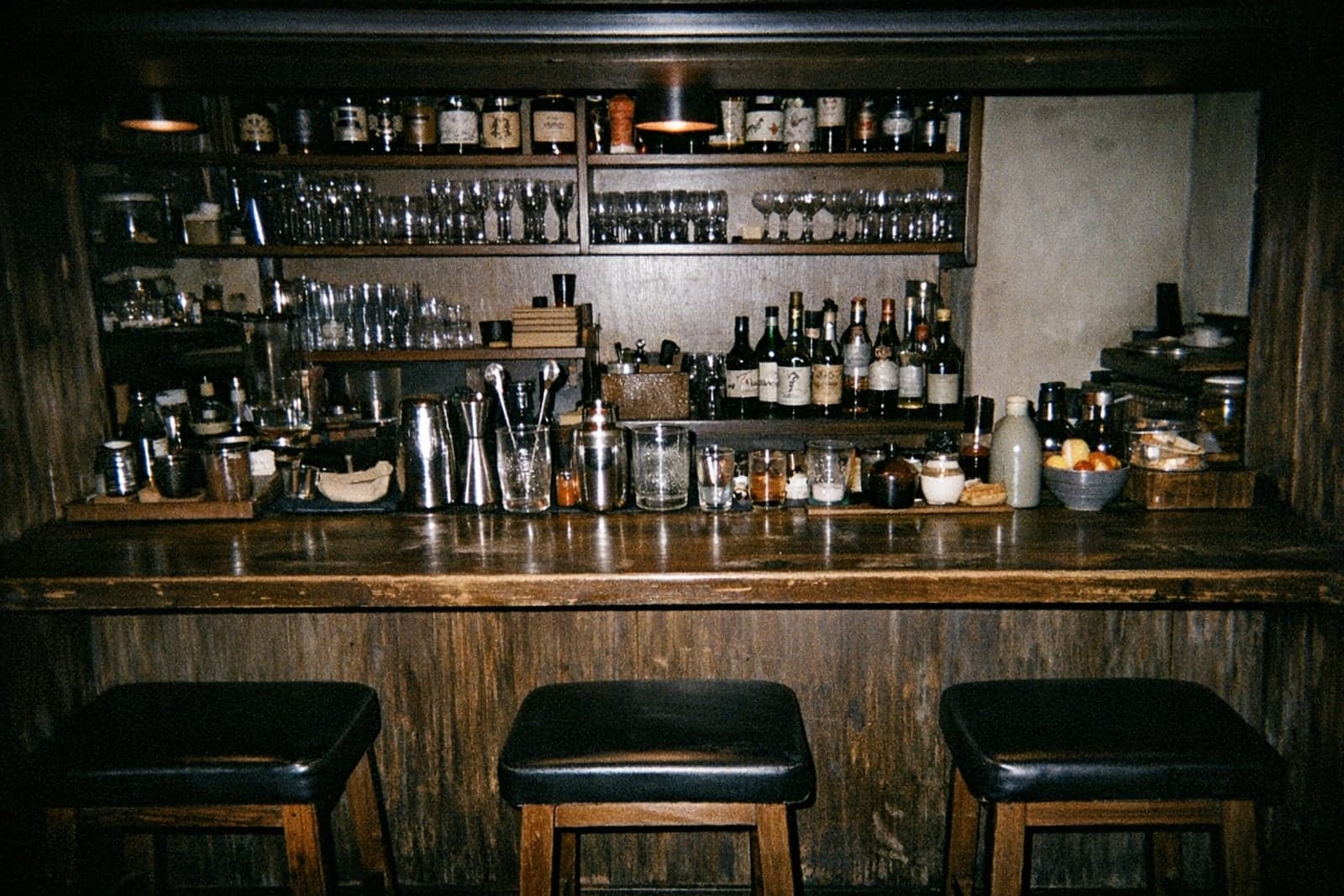
The current confirmed profile is Waltz in London, a Japanese cocktail bar in Shoreditch, East London. Its address is 28 Scrutton Street, London EC2A 4RP, UK. The head bartender is Gento Torigata. The bar opened in 2025, has about 12 bar seats, and is ranked #23 on Europe’s 50 Best Bars 2026. It also received the Three Cents Best New Opening Award 2026. Opening hours are Monday to Thursday 17:00 to 00:00, Friday to Saturday 17:00 to 01:00, and closed Sunday. The bar is walk-in only, while tables for 4 to 8 guests are bookable online.
Featured bar
Waltz
Waltz is a japanese cocktail bar in London, Shoreditch, East London. #23 Top 50 Bars Europe 2026. Top 50 Bars Asia profiles address, hours, and how to visit.
View profileIf your brief is already fixed around Japanese cocktail technique or Japanese-led service, start with the Waltz profile, then build the rest of the route around travel time, seat availability, and the number of decision-makers you need on site.
How should a buyer define a Japanese cocktail bar?
A buyer should define it by primary venue positioning first, then by service format, menu language, bartender leadership, and repeatable drinks practice. One Japanese ingredient is not enough on its own.
For sourcing work, we use a simple hierarchy. First, check whether the venue is classified as a Japanese cocktail bar in the directory. Second, read the operational facts: location, opening days, booking rules, capacity, awards, and named staff where available. Third, decide whether the visit objective is trade research, brand fit, menu benchmarking, or hospitality planning.
This prevents a common error. A bar can have a Japanese touch without being a Japanese cocktail bar. For example, Aldea in Barcelona lists Japanese-style sandos as food, but our profile classifies it as a farm to glass bar. Gorilla in Thessaloniki has a signature cocktail, The Keeper, with bourbon, white miso, honeyed wine, and pineapple, but it is listed as a high energy cocktail bar. Kwãnt Mayfair in London notes reservations recommended for omakase and busy nights, but our profile classifies it as a tropical cocktail bar.
Those details can still be useful. A buyer sourcing Japanese spirits visibility, miso applications, or omakase-style service may want adjacent checks. But if the brief says “Japanese cocktail bars,” the primary shortlist should not be diluted.
A practical specification line might read: “Confirmed Japanese cocktail bar in Europe, current directory profile, London access, bar or table visit possible, ranked or newly opened profile preferred.” That gives the planner enough to act without turning the search into a broad ingredient hunt.
What is the confirmed Japanese cocktail bar to shortlist in London?
The confirmed Japanese cocktail bar to shortlist is Waltz in Shoreditch. It is the direct match for buyers searching Japanese cocktail bars in Europe within our current directory.
London is the right base if the buyer needs a route with one Japanese cocktail anchor and several nearby comparison venues. Shoreditch gives access to East London and the City fringe, while Mayfair, Soho, Holborn, and Old Street can be added depending on the brief. Our London bars page helps buyers compare profiles without mixing cities too early.
For a tight research evening, we would treat Waltz as the anchor appointment and add no more than one or two secondary bars. Too many stops reduces the value of the visit. The better workflow is to arrive early, sit at the bar if possible, note the welcome sequence, record menu structure, then check one comparable venue with a different style.
For brand teams, the small bar-seat count matters. A venue with about 12 bar seats is suitable for close observation, but it is not the place to assume a large hosted group will be simple. Since the bar is walk-in only and tables for 4 to 8 guests are bookable online, a buyer should decide in advance whether the aim is bar-counter evaluation or a seated group visit.
If you need us to help turn a Japanese cocktail brief into a visit route, send the city, dates, group size, and target outcome through our contact page.
How should a team book and brief a visit?
The booking step should match the visit objective. For Waltz, bar visits are walk-in only, while tables for 4 to 8 guests can be booked online.
For a buyer, that split changes the plan. If the objective is to inspect bar technique, ice handling, guest flow, and bartender interaction, the bar counter is the better choice. If the objective is to host colleagues or compare drinks in a structured way, a booked table for the stated group size may be more practical.
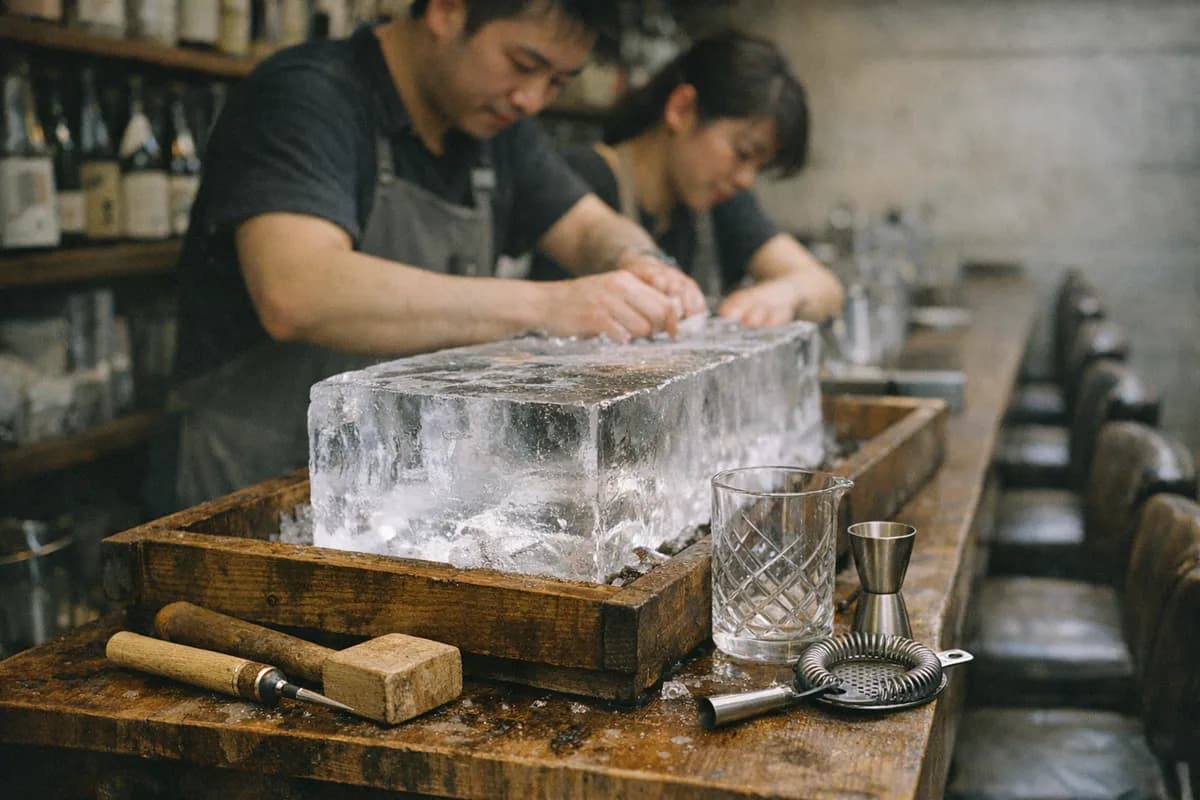
Before the visit, we would write a one-page brief rather than a long itinerary. Include the buyer’s role, the reason for the visit, expected number of guests, any timing constraints, and what must be observed. Keep the language neutral. A bar team does not need a procurement essay; they need to know whether you are coming as guests, trade buyers, media, brand partners, or operators.
On site, check four things.
First, does the venue deliver the Japanese cocktail identity through the whole experience, not only the menu? Look at glassware, pacing, precision, music level, and the way recommendations are made.
Second, is the format repeatable? A concept may be impressive once, but a procurement or partnership decision needs evidence that the operation works on a normal service night.
Third, does the venue suit your buyer type? Importers may care about back-bar visibility and staff knowledge. Manufacturers may care about serve compatibility. Hospitality groups may care about training systems and guest throughput.
Fourth, record the constraint. Capacity, opening days, and booking rules affect whether a future activation or hosted visit is possible. A buyer who ignores those details may choose a strong bar that cannot support the intended project.
Which adjacent European bars are worth checking if the brief is broader?
If the brief is broader than “Japanese cocktail bar,” buyers can add adjacent venues that show relevant Japanese references, high technical standards, or useful comparison value. They should be labelled as adjacent, not as confirmed Japanese cocktail bars.
Aldea in Barcelona is one example when the buyer wants to observe how Japanese-style food can sit inside a cocktail-led venue. Our Aldea profile lists Japanese-style sandos, a March 2025 opening, and a Barcelona location in El Born. That makes it relevant for food pairing research, but not a replacement for a Japanese cocktail bar shortlist.
Gorilla in Thessaloniki is relevant if the project involves Japanese pantry flavours in cocktails. The listed signature cocktail, The Keeper, includes white miso. Again, that is an ingredient signal, not a style classification.
Kwãnt Mayfair may be relevant if the buyer is studying omakase as a booking or service cue in London. The profile notes that reservations are recommended for omakase and busy nights. The bar itself is classified as tropical cocktail, so it belongs in a secondary column.
This distinction is useful in stakeholder reports. We usually separate the final list into “direct match” and “supporting reference.” Direct match contains Waltz. Supporting reference can contain bars with Japanese food, Japanese ingredients, omakase language, or Japanese spirits visibility, depending on the purpose of the project.
For a broader European search beyond the Japanese category, use our cocktail bars directory to compare city, rank, opening hours, and reservation rules before adding a venue to the route.
How should the final shortlist be evaluated?
The final shortlist should be evaluated against the buyer’s intended use, not just the bar’s reputation. A venue can be the correct research stop and still be the wrong place for a hosted group, launch event, or procurement presentation.
We suggest a scoring sheet with five fields: category fit, operational access, buyer relevance, evidence quality, and next-step feasibility. Category fit asks whether the bar is a confirmed Japanese cocktail bar or only adjacent. Operational access covers opening days, walk-in rules, booking options, and seat limits. Buyer relevance connects the visit to the commercial purpose. Evidence quality records what the team could actually observe. Next-step feasibility asks what can be done after the visit.
For the direct search query, the answer is narrow and useful: start with Waltz in London, then add adjacent bars only if the brief supports them. That gives buyers a defensible sourcing path instead of a long list of loosely connected venues.