
Speakeasy vs cocktail bar in Europe: travel choice
Speakeasy vs cocktail bar in Europe gets easier with real booking examples, price ranges, and planning checks before you go.
By Elena MarchettiEditor in ChiefFifteen years covering international bar culture and jury panels.
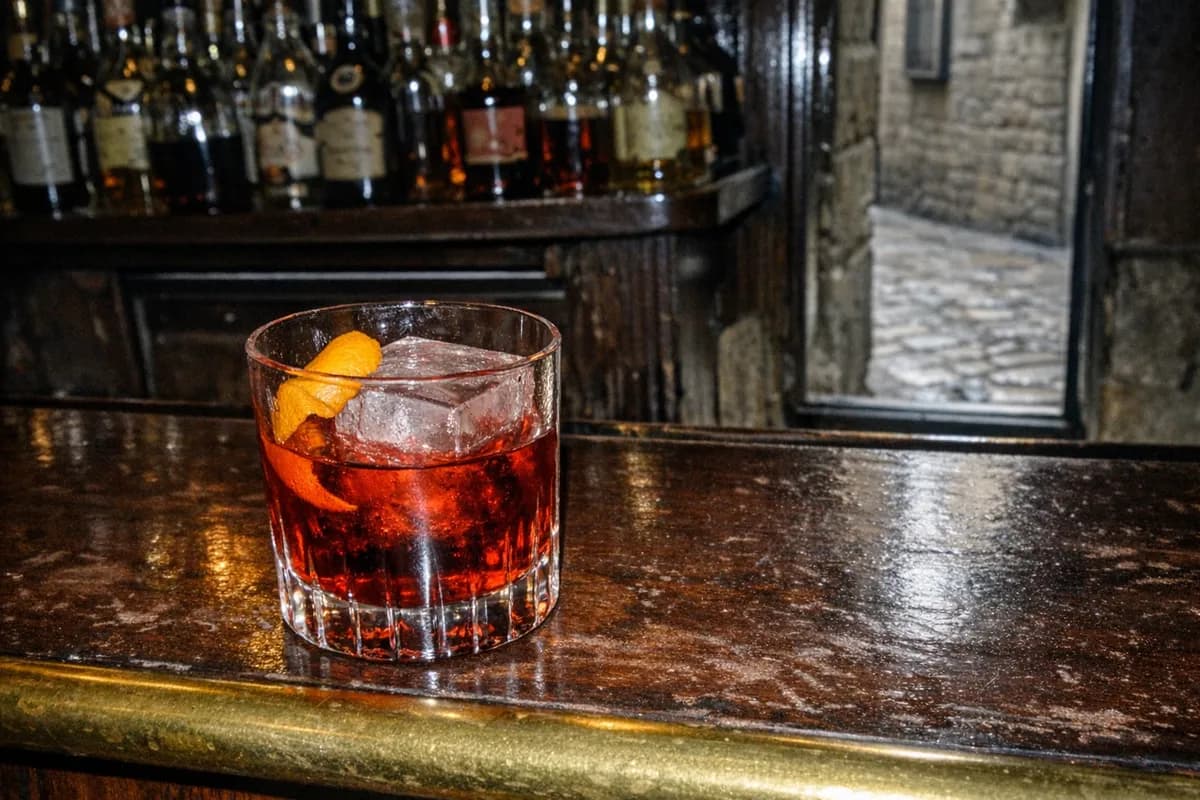
Choosing a bar while travelling is a small procurement decision. You have a fixed night, a budget, a group size, and limited tolerance for queues. We treat the choice the same way we would evaluate a venue for a client programme: define the experience, check access conditions, confirm price level, then decide how much planning is needed.
This guide uses European bars from our directory because that is the scope we can verify from our records. The answer is not that one format is better. A speakeasy usually gives you more theatre and scarcity. A cocktail bar is often easier to schedule, easier to find, and better for mixed groups.
What is the practical difference between a speakeasy and a cocktail bar in Europe?
A speakeasy is usually the better choice when the entrance, concealment, or access rule is part of the value. A cocktail bar is the better default when the main requirement is reliable drinks, known opening hours, and easier planning.
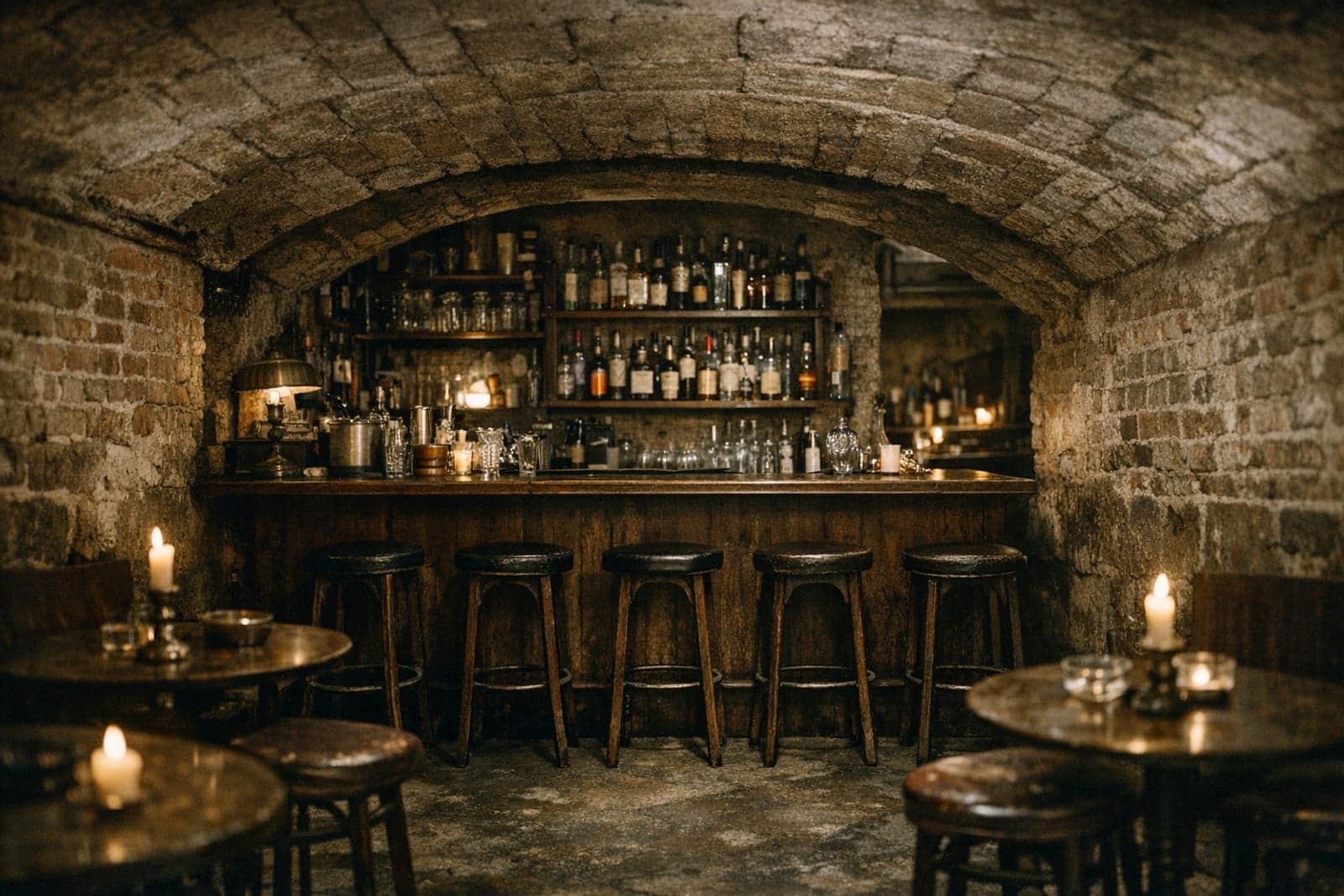
In our directory, the distinction is visible in the operating details. Paradiso in Barcelona is a speakeasy entered through a refrigerator door inside a pastrami shop. It ranks No.9 on Europe’s 50 Best Bars 2026 according to Europe’s 50 Best Bars, and No.4 on The World’s 50 Best Bars 2025 according to The World’s 50 Best Bars. That kind of venue gives a traveller a clear story to remember, but it also adds access steps.
Featured bar
Paradiso
Paradiso is a speakeasy bar in Barcelona. #9 Top 50 Bars Europe 2026. Top 50 Bars Asia profiles address, hours, and how to visit.
View profileMilan’s 1930 is another speakeasy case. It has 32 seats and operates for 193 members with advance booking. Edinburgh’s Panda & Sons is also profiled as a speakeasy, and its booking notes are specific: reservations are required via ResDiary on the website, with a maximum group size of 8.
By contrast, a cocktail bar can cover many formats. It may be a hotel bar such as Connaught Bar in London, a neighbourhood bar such as Satan’s Whiskers, a classic room such as Boadas in Barcelona, or a high-volume all-day venue such as The Clumsies in Athens. The common buying point is that you judge it by access, hours, price, seat availability, drinks style, and fit for the occasion.
If the brief is “one memorable hidden room,” start with our speakeasy profiles. If the brief is “best available cocktail stop near tonight’s route,” start wider with our cocktail bar profiles.
Which style fits a tight travel schedule?
A cocktail bar usually fits a tight schedule better because the access rules are often simpler and the hours are easier to build around. A speakeasy can still work, but only if you accept a queue, a booking requirement, or a fixed entry process.
Take Athens. Line opens Monday to Sunday from 10:00 to 02:00, and reservations are recommended on busy nights while walk-ins are accepted. That gives a traveller several workable slots in one day: late coffee, early evening drink, or post-dinner cocktail. Line ranks No.1 on Europe’s 50 Best Bars 2026 according to Europe’s 50 Best Bars, and No.8 on The World’s 50 Best Bars 2025 according to The World’s 50 Best Bars.
The Bar in Front of the Bar in Monastiraki is also schedule-friendly. The street bar is walk-in friendly, with indoor booking options checked through the venue website. Its hours run 15:00 to 02:00 Monday to Thursday, 15:00 to 03:00 Friday and Saturday, and 17:00 to 02:00 Sunday. For travellers moving between dinner, hotel check-in, and late-night plans, that flexibility matters.
The same logic applies in London. Connaught Bar is walk-in only and opens Monday to Saturday from 16:00 to 01:00, but it is closed Sunday. Tayer + Elementary is also walk-in only with no bookings, and its Elementary space opens Tuesday to Wednesday from 15:00 to 00:00, then Thursday to Saturday from 15:00 to 01:00. If London is your market for the trip, build a shortlist from our London nightlife page before fixing the evening route.
Speakeasies need a different approach. You schedule them first, then plan dinner and transport around them. That is the practical trade-off.
What should you check before booking a speakeasy?
Check the entry method, booking rule, group limit, and dress code before you commit the night. A speakeasy that sounds perfect on paper can fail the itinerary if the group cannot book, cannot queue, or cannot meet the access condition.
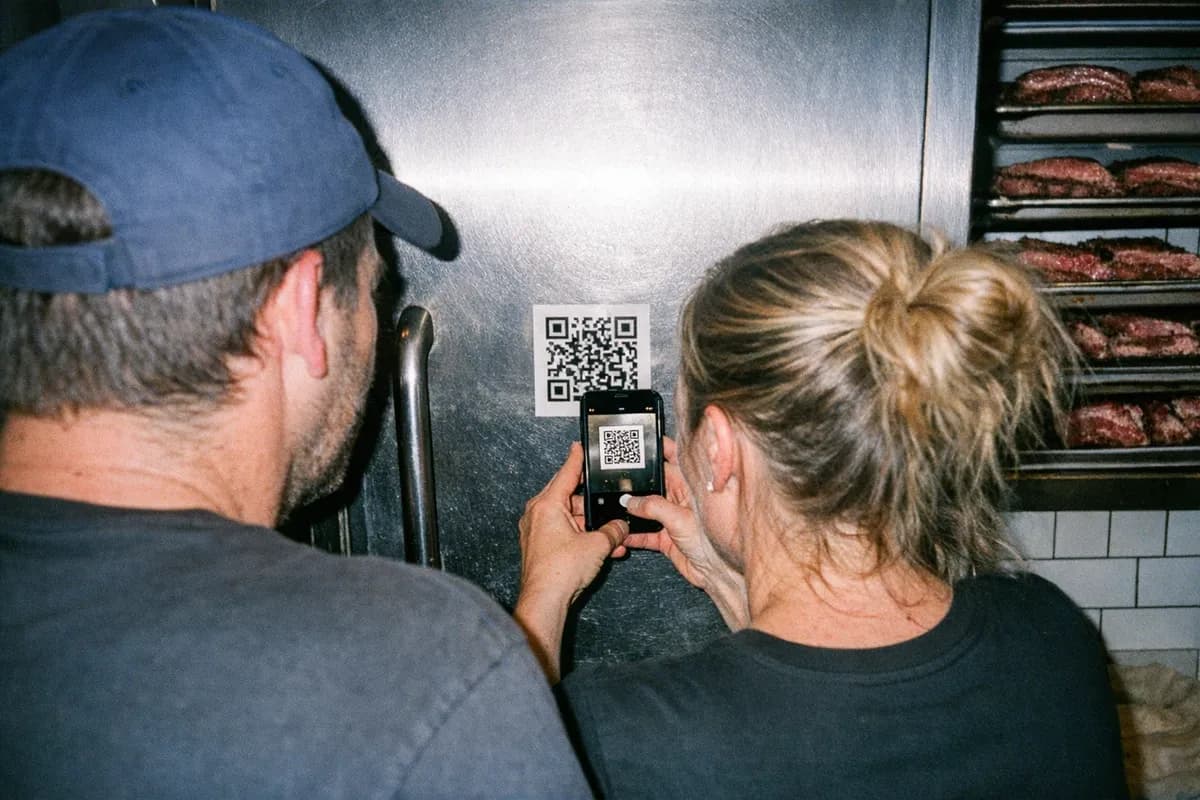
Barcelona’s Paradiso is the cleanest example of a process-led visit. It takes no advance bookings. Guests use a virtual queue by QR code at the door from 15:00. If you want Paradiso on a short trip, the buying step is not “book a table.” It is “send someone to register the queue position early enough, then keep the evening flexible.”
Panda & Sons in Edinburgh works the other way. Reservations are required via ResDiary on the website, and the maximum group size is 8. That makes it a better fit for a small client group or two couples than for a 12-person team night.
Milan’s 1930 is narrower still. It has 32 seats and serves 193 members with advance booking. For a traveller without the right access path, it is not a casual walk-in target. In Naples, L’Antiquario is a speakeasy in Chiaia with reservations recommended via online booking and a smart casual dress code. That is more approachable, but it still needs planning.
Some venues feel hidden without being reservation-first. Himkok in Oslo is walk-in focused, and guests ring the bell at the discreet Storgata entrance. It opens daily from 17:00 and closes 00:00 Sunday to Wednesday and 02:00 Thursday to Saturday, with the venue asking guests to confirm hours on its website. That makes it a useful hybrid: hidden entry, but not a formal pre-booked speakeasy.
What does each option cost when travelling?
Use the venue’s published or profiled price level, then adjust for city, tasting format, and booking pressure. Do not compare a tasting counter with a standard cocktail order as if they were the same product.
In Barcelona, Sips is profiled at about $16 per cocktail. It ranks No.3 on Europe’s 50 Best Bars 2026 according to Europe’s 50 Best Bars, and No.3 on The World’s 50 Best Bars 2025 according to The World’s 50 Best Bars. Its Esencia tasting menu is a different specification: 14 seats, 10 sips, from €75. That is not just a drink stop. It is closer to a timed tasting purchase with limited capacity.
Paradiso, also in Barcelona, is profiled at about $18 per cocktail. Boadas, a classic Barcelona cocktail bar founded in 1933, is around €11 to €14 per cocktail. Foco in Gràcia is around €12 per cocktail and runs a 12-cocktail seasonal menu plus bottled drinks to go. For travellers comparing hidden theatre against classic service, Barcelona gives clear price spread across styles. Our Barcelona bars page is the quickest place to compare those options by neighbourhood.
Athens is different. The Clumsies is profiled at about $10 per cocktail, Line at about $12, Barro Negro at about $12, and Baba au Rum at about €11 to €15. Oslo sits higher in our records, with Himkok and Svanen each profiled at about $18 per cocktail. Zurich is higher again, with Late Bloomers profiled at about CHF 24 per cocktail.
For procurement-style planning, set a per-person ceiling before selecting the bar. A two-drink plan at a standard cocktail bar is one cost model. A tasting menu such as Sips Esencia is another. A no-reservation speakeasy with a queue has a hidden cost in time, especially on a short stay.
How should a buyer specify a bar night for clients or a team?
Write the brief before choosing the style: city, date, party size, seating need, budget, dress tolerance, and appetite for queueing. Once those fields are fixed, the right format becomes obvious.
For small groups, speakeasies can work well because scarcity feels intentional. Panda & Sons caps the group size at 8. Bar Nouveau in Paris has about 12 seats at the ground-floor bar and is walk-in only with no reservations, so it suits an early arrival better than a fixed corporate schedule. Waltz in London has about 12 bar seats, with bar walk-ins only and tables bookable online for 4 to 8 guests.
For larger or more mixed groups, use a cocktail bar with clearer capacity or booking notes. Super Lyan in Amsterdam welcomes walk-ins, asks groups of 8 or more to book in advance, and lists the Living Room for up to 35 with full venue hire up to 120. The Clumsies in Athens has capacity for 400 plus guests on busy nights across three floors, and its private Room is available by phone or website for 6 to 10 guests.
Dress code is part of the specification. Bar Nouveau lists smart casual. Mirror Bar in Bratislava lists smart casual. Locale Firenze lists smart elegant and no sandals for men. Tag in Krakow states “come as you are,” with an urban, unpretentious room. If you are moving from sightseeing to drinks, this detail can decide the venue before the menu does.
So, should a traveler choose a speakeasy or a cocktail bar?
Choose a speakeasy when the access ritual is the point and you can plan around it. Choose a cocktail bar when timing, group comfort, and predictable entry matter more than concealment.
For a solo traveller or pair, a speakeasy can be the right use of one night: Paradiso for the refrigerator-door entrance and QR queue, Panda & Sons for a booked Edinburgh visit, or L’Antiquario for a planned Naples stop. For a work trip, family itinerary, or client evening, a cocktail bar is often the safer purchase because the operating model is easier to control.
Our rule is simple. If failure to get in would spoil the night, pick a cocktail bar with workable hours and a booking path. If the night can flex, and the story matters as much as the drink, choose the speakeasy.