
Oslo Cocktail Bars: Nordic Mixing Style Guide
Oslo cocktail bars show Nordic mixing through distillation, apothecary settings, booking models, and price points buyers can verify.
By Elena MarchettiEditor in ChiefFifteen years covering international bar culture and jury panels.
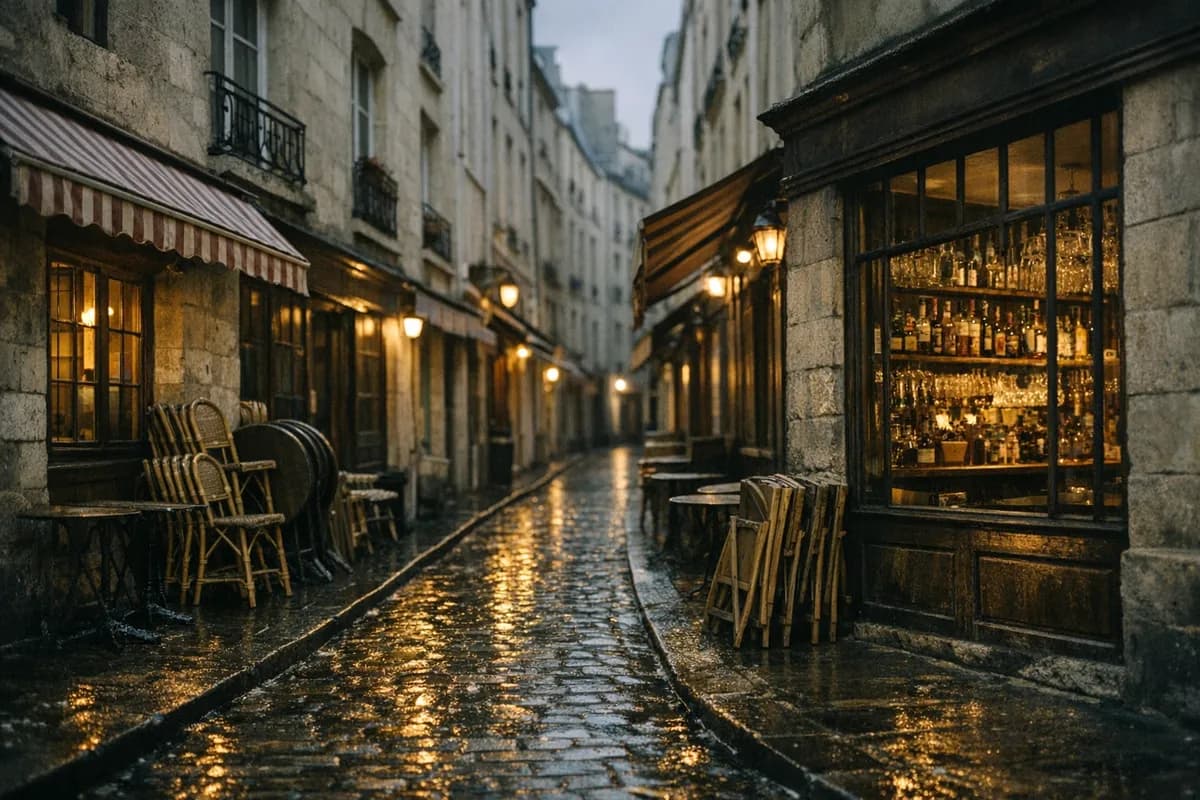
Oslo is a useful city for buyers who want to understand Nordic cocktail style without treating it as a vague design mood. In our directory, the Oslo reference points are Himkok and Svanen, two bars with different operating models but a shared emphasis on place, technique, and controlled service.
Featured bar
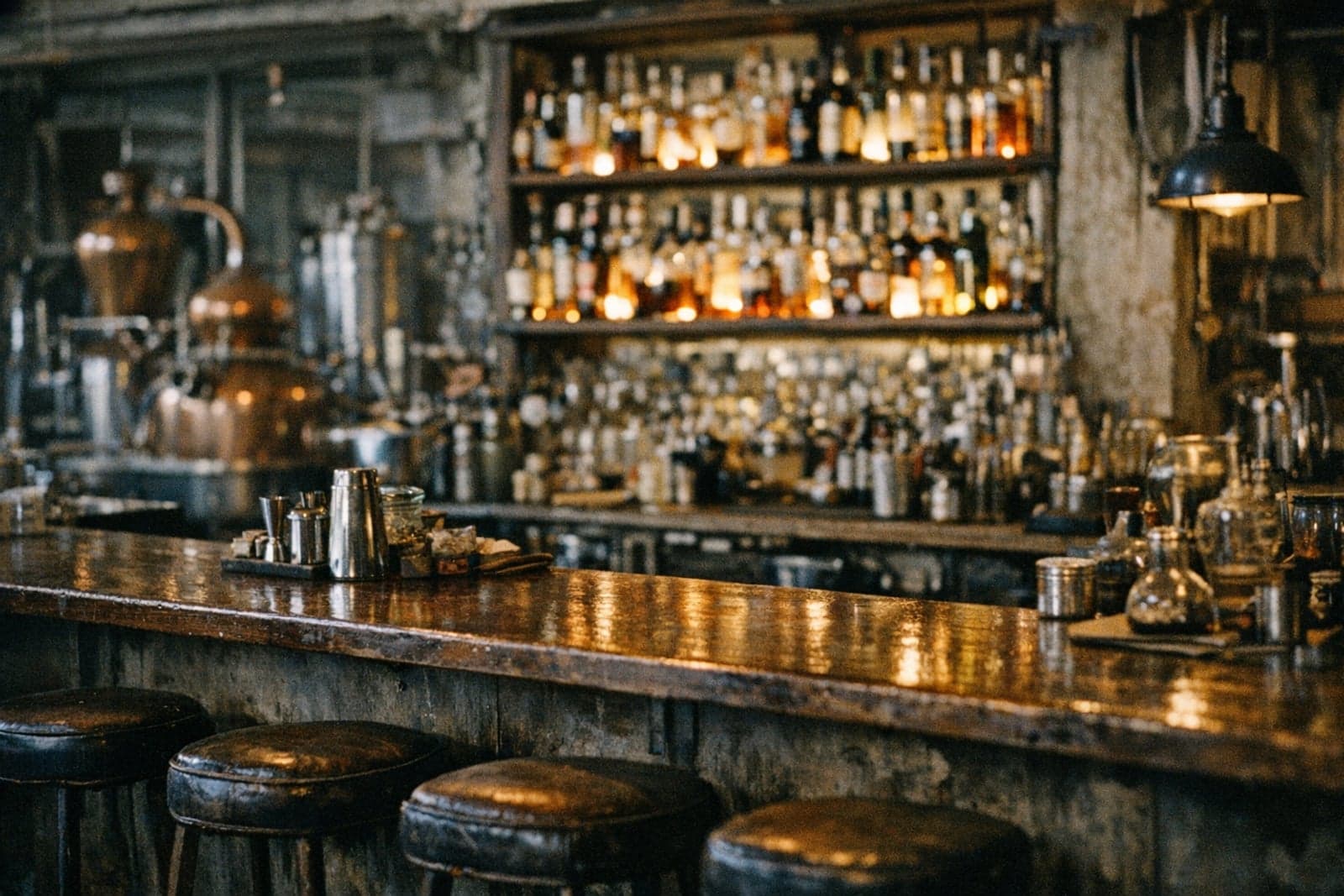
Himkok
Himkok is a distillery cocktail bar in Oslo. #4 Top 50 Bars Europe 2026. Top 50 Bars Asia profiles address, hours, and how to visit.
View profileWe use “sourcing” here in the way nightlife buyers use it: choosing where to send guests, where to benchmark a drinks programme, or where to study Nordic bar operations before specifying a concept, menu brief, or hosted visit. The guide below shows how we evaluate Oslo cocktail bars from a buyer’s desk, using only checkable venue facts.
What does Nordic mixing mean in Oslo cocktail bars?
Nordic mixing in Oslo is best read through production, setting, and restraint rather than garnish alone. We look for a bar’s link to local spirits, historic interiors, service discipline, and whether the drinks format can be understood by an international guest.
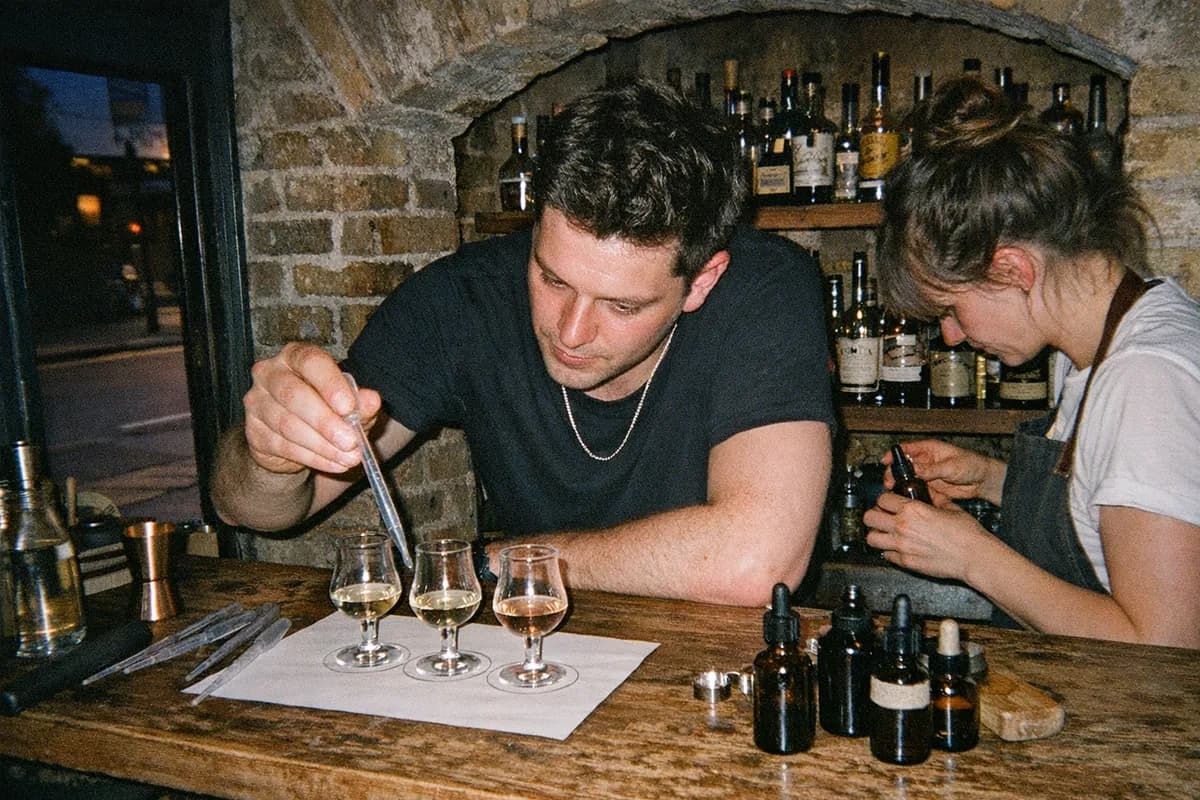
At Himkok, the clearest operating signal is the on-site micro-distillery for aquavit, gin, and vodka. That matters to a buyer because the spirit base is part of the concept, not only an item bought from a back bar. The venue also works from an 1837 pharmacy-appliance warehouse with apothecary-style interiors, so the room supports the liquid story rather than competing with it.
At Svanen, the Nordic reference is different. The bar sits in the former Svaneapoteket pharmacy, a listed cultural heritage building dating to 1896. For a procurement manager, hotel operator, or brand team, that means the experience is partly architectural. The purchase is not just a cocktail serve. It is a heritage room, a reservation path, a guest flow, and a level of formality that can be specified in an itinerary.
We do not reduce Nordic style to a single flavour note. In Oslo, the stronger buying test is whether the bar can explain why its format belongs there. A house distillery, a former pharmacy, a listed building, or a disciplined booking model is easier to verify than a menu claim about “local inspiration”.
Which Oslo cocktail bars should buyers benchmark first?
Start with Himkok and Svanen. They give a buyer two different Oslo models: a distillery-led cocktail bar and a heritage apothecary bar.
| Bar | Buyer use case | Location and access | Hours and booking | Price and rankings |
|---|---|---|---|---|
| Himkok | Distillery-led Nordic cocktail benchmark | Storgata 27, 0184 Oslo, Norway. Discreet Storgata entrance, ring the bell. | Open daily from 17:00. Closes 00:00 Sun to Wed and 02:00 Thu to Sat, confirm on website. Walk-in focused. | Around $18 per cocktail. Europe’s 50 Best Bars 2026 #4. The World’s 50 Best Bars 2025 #14. Best Bar in Norway 2026 (Nikka Whisky). Ketel One Sustainable Bar Award 2018. |
| Svanen | Heritage apothecary cocktail benchmark | Karl Johans gate 13, 0154 Oslo, Norway. Former Svaneapoteket pharmacy, listed cultural heritage. | Mon to Thu 17:00 to 00:30, Fri to Sat 15:00 to 02:00, Sun 17:00 to 00:30. Online reservations via booking.gastroplanner.no/svanen/t. | Around $18 per cocktail. Europe’s 50 Best Bars 2026 #15. The World’s 50 Best Bars 2025 #32. |
The table is a working specification, not a tourist shortlist. If a buyer wants a production-led case study, Himkok is the first stop. If the brief needs heritage, visible room character, and a bookable format, Svanen is the more controlled appointment.
For a wider city scan, we keep the current Oslo listings together on our Oslo bars page. Use it before locking travel dates, because venue hours and booking rules are operational details, not background information.
How should a buyer specify an Oslo Nordic cocktail visit?
Specify the visit by purpose, group size, timing, booking risk, and evidence needed after the visit. A clear brief prevents a ranked-bar crawl from becoming a vague hospitality expense.
We usually write the brief in five lines. First, state the purpose: distillation benchmark, heritage room study, service observation, menu research, or hosted client visit. Second, state the number of guests and whether they must sit together. Third, state the time window, because early evening and late-night service show different operations. Fourth, state whether the visit must be guaranteed by reservation. Fifth, list what the buyer needs to record: drink format, guest journey, menu language, glassware, non-alcoholic handling, or staff explanation.
For Himkok, the specification should accept walk-in risk. The bar is walk-in focused, and the Storgata entrance is discreet. That can be useful for a buyer studying hidden-entry demand management, but it is less suitable when a hosted corporate group must arrive and sit at a fixed time.
For Svanen, the brief can be tighter because online reservations are available. That makes it easier for a hotel concierge team, importer delegation, or brand principal to build the stop into a scheduled Oslo programme. If the objective is a controlled buyer visit rather than discovery, Svanen gives the planner more certainty.
If you need venue facts before proposing an itinerary, start with our profiles for Himkok and Svanen, then send the confirmed travel window through our contact page if you want us to check suitable directory options.
What is the price and booking context for Oslo cocktail bars?
For the two Oslo bars covered here, our venue facts put cocktails at around $18 each. The more important buying point is not only the drink price, but the booking model attached to it.
A buyer comparing Oslo with other European cocktail cities should separate three cost items. The first is the menu price per cocktail. The second is access cost, meaning whether the venue requires waiting, online booking, or an early arrival strategy. The third is opportunity cost, which is the risk of losing a planned benchmark stop because the format is walk-in focused or the room is full.
Himkok’s walk-in focus is part of its operating character. It suits smaller groups that can absorb waiting time and want to observe guest flow. It is not the safest choice for a timed board-level hospitality stop unless the buyer has independently confirmed current access through the venue.
Svanen is more straightforward for scheduled visits because it offers online reservations. The former pharmacy setting also gives buyers a clear reason to include it in a Nordic design or heritage-led brief, not just a drinks brief.
We avoid publishing live drink price comparisons beyond our venue facts because menu pricing can change. For procurement planning, use the listed around $18 per cocktail figure as a budgeting marker, then verify the current menu and booking terms with the venue before issuing a final itinerary.
How should teams evaluate quality on site?
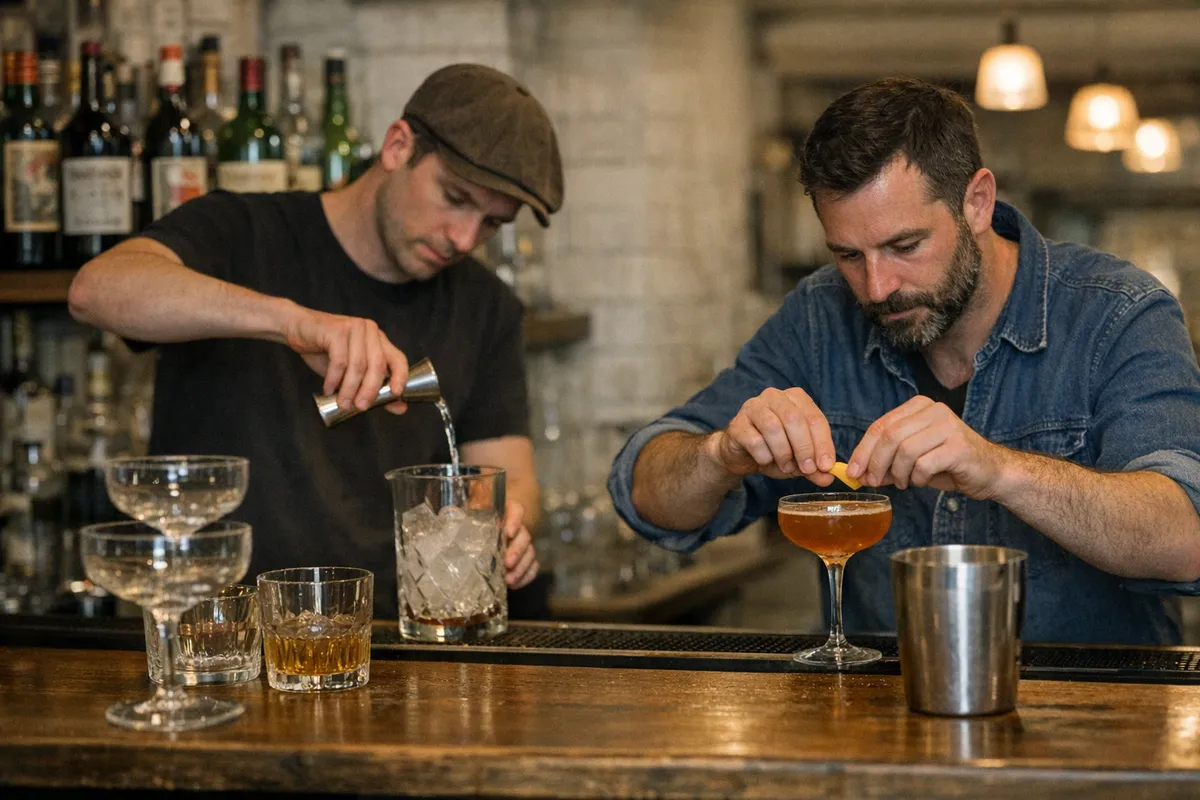
Evaluate quality by checking whether the concept survives contact with service. A bar can have a strong ranking, but a buyer still needs to test access, pacing, staff explanation, drink consistency, and how the room handles demand.
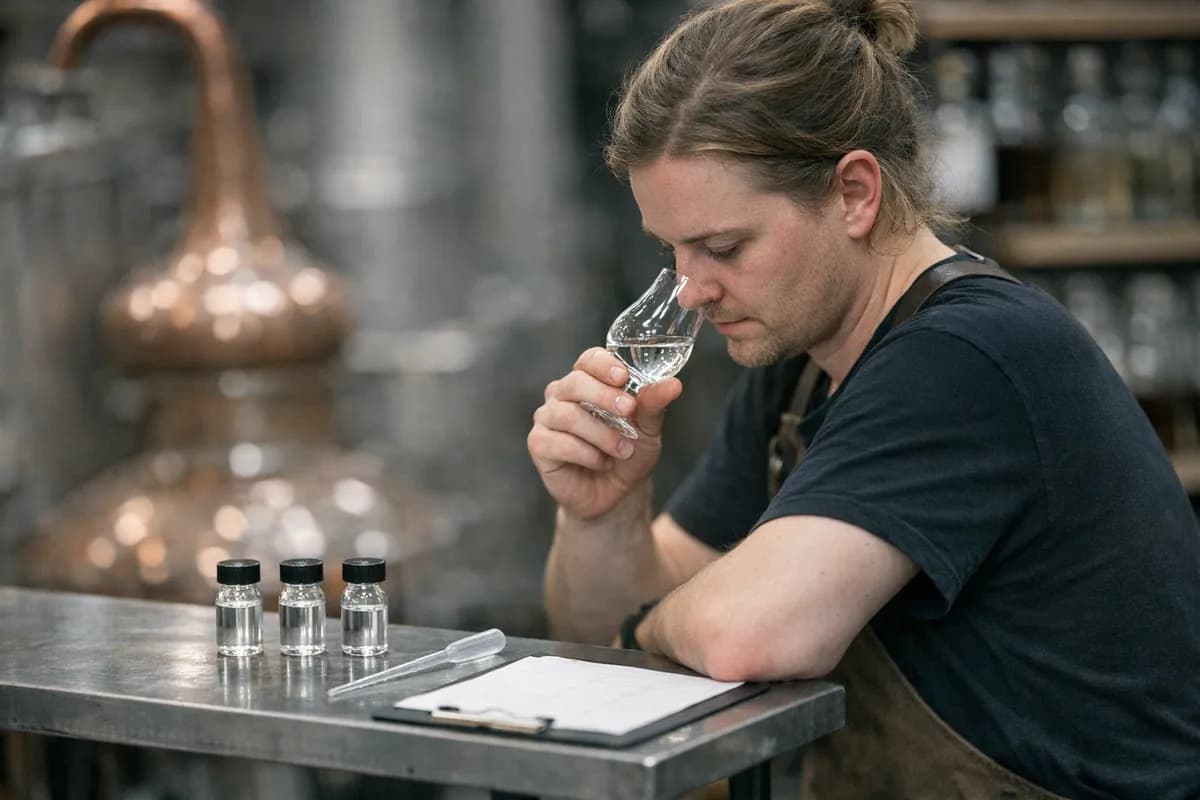
At Himkok, we would focus on the link between the micro-distillery and the drink experience. Ask what the house aquavit, gin, or vodka changes in the serve. Watch whether staff can explain that without turning the conversation into a lecture. The room’s apothecary-style interiors should also feel operationally useful: lighting, movement, and ordering should support the visit.
At Svanen, the test is different. The building is a major part of the product. Look at how the former pharmacy setting is used during service. A listed cultural heritage room can be an asset, but it can also create constraints around seating, sound, and guest flow. For a buyer, those constraints matter if the venue is being used as a model for a heritage conversion or a luxury hotel bar brief.
Rankings are useful filters, not final approvals. Europe’s 50 Best Bars 2026 places Himkok at #4 and Svanen at #15, while The World’s 50 Best Bars 2025 places Himkok at #14 and Svanen at #32. Those numbers justify a first look. The buyer’s own visit should decide whether the bar fits the commercial use case.
If your internal benchmark includes other Nordic cities, compare Oslo with Nordic cocktail bars across our directory so the team can separate Oslo-specific signals from broader regional habits.
How does Oslo compare with the wider Nordic cocktail circuit?
Oslo’s directory strength is the combination of production and heritage. Himkok gives buyers the distillery-led model, while Svanen gives them the pharmacy-heritage model.
That differs from Copenhagen and Stockholm references in our directory. Bird in Copenhagen is a Frederiksberg vinyl listening bar with pre-batched cocktails, jazz on the decks, and stripped-back Danish design. Röda Huset in Stockholm is listed as a Nordic cocktails bar in Norrmalm, overlooking Sergels Torg, with an upstairs cocktail bar capacity of 18 seats and a Scandinavian Cocktail Experience bookable online.
Those comparisons help buyers avoid copying surface details. If the brief is Oslo-specific, keep the focus on aquavit, gin, vodka production at Himkok, and apothecary heritage at Svanen. If the brief is regional Nordic, add Copenhagen or Stockholm references to test how music, batching, dining, and reservation formats change the guest experience.
For an Oslo buying plan, we would shortlist both Himkok and Svanen, assign a separate purpose to each visit, and record the operational details immediately after service. That gives the buyer usable evidence: access model, room behaviour, staff explanation, and price context. It is a stronger basis for a bar programme than importing a generic “Nordic” look without the operating logic behind it.